How To Identify Genuine Pashmina Cashmere? | Navadurga Cashmere
Introduction
Nothing beats the feeling of being wrapped in a cozy
genuine pashmina. The supple and sumptuous pashmina fabric makes you feel like
you’re being wrapped in clouds.
The soft luxurious feel, exquisite craftsmanship, extremely cozy, insulating and a long list of other properties make pashmina truly unique and desirable. But the beauty of pashmina is not just limited to its physical properties but the emotions it evokes and the memories it carries due to its durable and timeless nature.
But in recent times, low quality and fake pashmina have made their way into the market. For your average buyer, it is easy to be deceived by counterfeit adulterated pashmina. Amidst the sea of imitations, finding the real deal is hard even for a trained eye so in this article, we will go over all the tests (and debunk some) on how to distinguish a genuine pashmina and help you through your pashmina buying conquest.
Table of Contents
1. Understanding Pashmina
1.1 How is pashmina
obtained?
1.2 A brief history of pashmina exclusivity
2. The Pashmina Market
2.1 The rise of counterfeit
pashmina
2.2 The effects of fake pashmina on artisans
3. Tests to identify genuine pashmina
3.1 Burn test
3.2 Rubbing test
3.3 Sheen test
3.4 Check branding tags
3.5 Glue test
3.6 Real pashmina has an irregular weave
3.7 Check for pilling
3.8 Check the pricing
3.9 Ring test
Conclusion
UNDERSTANDING PASHMINA/CASHMERE
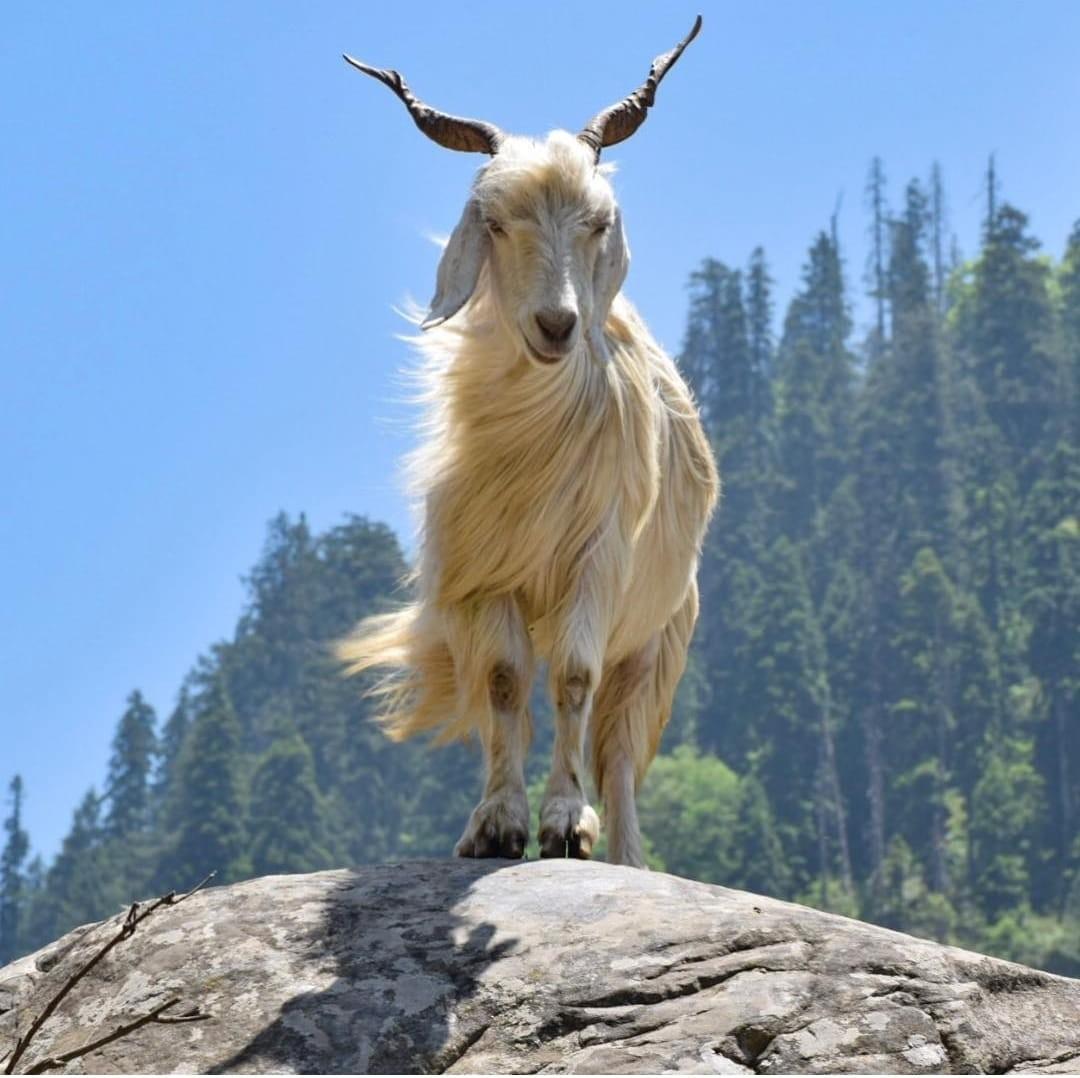
Pashmina is a luxurious, valuable and highly functional fabric obtained ethically from a unique species of goats called the Chyangra. These goats are unique to the mountains of Nepal, India, Tibetan regions of China. Reared in the mountains where temperatures drop to - 40°C in the winter and rise to 40°C in the summer, it is believed that this harsh fluctuation in temperature is what causes the Chyangra to grow finer fibers. Each goat only sheds about 80-170g of pashmina fiber annually. Since they only shed this coat once a year, the pashmina fibers are low in supply and high in demand which is a major factor contributing to its exclusivity and price tag. These luxurious natural fibers are feather light and buttery soft rightfully earning its name as the 'diamond fabric'. To add to these already desirable properties, it has an even unique thermoregulating feature where it insulates your body heat in the colder seasons and allows for breathability in the summer.
The Chyangra goats are brushed with long metal combs to reach their undercoat where they grow this fine exquisite down. The outer coat of fur is usually thicker and rugged. It grows this fine fiber during the winter to protect themselves from the freezing temperatures. Come spring, their bodies produce hormones which causes the fur to shed naturally and they remove the remnants by rubbing against rocks or shrubs. This is the cue for the herders to collect raw pashmina. Collecting pashmina, sorting and refining it to be spun into yarn takes anywhere between a week to several months.
Firstly, the raw fibers are collected and packed for refinement. It is brushed, sifted and sorted to get rid of impurities and thicker hairs. Only the finest fibers are handpicked and combed to remove excess dust and dirt. It is then kept in rice powder for 3/4 days to make it whiter and softer. The excess powder is brushed off and the fibers are mended and spun into a yarn in a traditional spinning wheel called the 'Charkha'. The thicker yarn is weft and the thinner yarn is warp. The yarn is soaked in a copper bowl containing homemade starch for 3/4 days and left to dry in the sun. The dried yarn is mounted on a wooden spool and prepared for production into pashmina garments and textiles.
1.2 A Brief History of Pashmina Exclusivity
The pashmina has rightfully established itself as a symbol of luxury and elegance from its inception in the 16th century. Highly coveted and treasured for its unusual combination of warmth, softness and lightweight nature. Popularized throughout the world by fashion icon and enthusiast Empress Josephine, the first wife of Emperor Napoleon Bonaparte, pashmina quickly gained fame as a popular fashion accessory and was highly sought after.
As each goat only sheds 80g to 150g of this winter coat once every spring, this fine fiber is known for its exclusivity.
Undergoing a difficult refinement process, along with having a low supply of raw materials and yet, desired by all makes it a valuable material. The dying traditional art of hand-weaving, the degree of expertise along with the miniscule attention to detail makes crafting pashmina garments a difficult task.
THE PASHMINA MARKET IN NEPAL
The
Rise of Counterfeit Pashmina
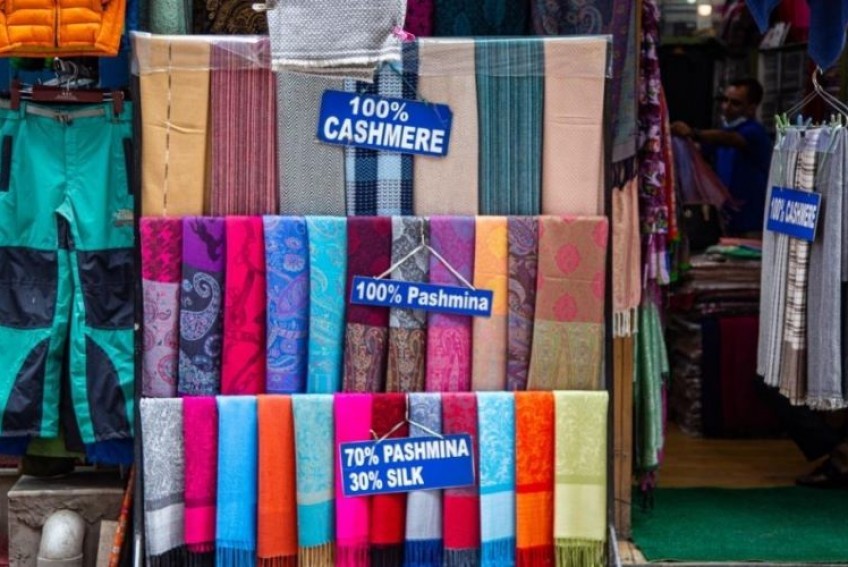
In present times, fast fashion has tainted the sacred art of traditional handmade pashmina. During its inception, pashmina used to be a reflection of elite status. Only the royals, nobles and wealthy could afford this fine luxurious fabric. To mimic the noble status people started demanding fake pashmina and the mass production of counterfeit pashmina was born. On the surface, this gives pashmina a bad reputation. But that is just the tip of the iceberg.
The takeover of machines and counterfeit pashmina has seen drastic
plummet in authentic pashmina production and sales. Pashmina is very fine and
break easily in its raw form. To strengthen it for mass machine production, the
yarn is blended with nylon and polyester. And to imitate the softness of
pashmina, it is brushed or fabric softener is applied which easily deceives casual buyers.
2.1 The Effects of Fake Pashmina on Artisans
A genuine handmade pashmina is takes incredible patience, dedication, time and expertise perfected through centuries of refinement and experience. It is an extremely tedious process and usually done only on genuine pashmina as a way of paying respect to the craft and quality of the pashmina.
A handmade pashmina garment is considered a sacred art, passed down from generations of artisans since the inception of pashmina weaving. In the mountainous regions where barely anything grows, pashmina farming is the main source of income for 90% of families. These families depend upon the sales of pashmina to sustain them for an entire year as pashmina fur is only sourced once every molting season. Since the rise of counterfeit pashmina, the sales of genuine pashmina has seen a drastic plummet. To keep up with speed of manufacturing pashmina by machine is an impossible task. It takes skilled artisans anywhere between 3 months to a year to produce a handmade pashmina, complete with embroidery and designs. Whereas a machine can produce the same design of pashmina in 10 minutes. Although the difference in weave is clearly seen by a seasoned buyer or a trader, the average buyer cannot distinguish between the weaving. Under close inspection, machine made pashmina seems to have minimal to no errors, a handmade pashmina tends to have some slight errors and repairs which adds to its unique character.
Pashmina is a slow-fashion and a timeless fabric. Many fast fashion brands claim to sell genuine 100% pashmina at an 'affordable' price but they cut major corners in the production or blend it with synthetic fabrics. Some may not even contain a trace of pashmina. These pashmina products may be light on your pockets but they're heavy on the pockets of pashmina farmers and artisans. The herders usually get the short end of the stick. They are forced to sell it at a significantly lower rates as fake pashmina has tainted the demands of genuine pashmina. In the past, a seller used to earn around Rs. 100,000 to 200,000 from a single shawl. Today the same shawl will go for Rs. 15,000 which is a massive decline in income for the artisans and farmers. This has forced many artisans and woman weavers to search for opportunities elsewhere and abandon the craft of pashmina altogether.
Not only are we losing skilled manpower but the quality of pashmina is also degrading by the year. In 1900s, pashmina threads used to be 12 to 16 and the quality of pashmina used to be relatively higher. The average diameter is growing steadily over the years and has reached 15.5.
TEST TO IDENTIFY GENUINE PASHMINA/CASHMERE
A pure pashmina is made entirely out of 100% pashmina. As the demand for mass productions of pashmina was difficult to meet. With the help of modern technology, poly-fiber are blended with pashmina as cheaper alternatives and hard to distinguish which helped it infiltrate the market with ease. So how to identify pure pashmina from the fake ones?
The most accurate way to
identify the authenticity of pashmina is to test it in a lab, but not everyone
has the time to take the sample to the lab and wait for the results to come
back. Most of us just want to get a quick in-and-out which is why we have
compiled a list of quick tests that can guide you in your purchase.
Ranked in the order of reliability, these tests will provide you an insight on
how to identify the authentic pashmina or a fake one. However, experience
and intuition go a long way in the buying process. Checking the reviews of the
store online might give you a good insight on their products and customer
service as well.
1. Burn test
2. Rubbing test
3. Sheen test
4. Check branding tags
5. Glue test
6. Real pashmina has an irregular weave
7. Check for pilling
8. Check the pricing
9. Ring test
BURN TEST
The burn test is a quick and efficient method to identify the authenticity of pashmina. To perform this test, gently pull out a few strands of fiber and burn it. Since pashmina is a natural fiber, it will burn slowly and self-extinguish after a while. The burnt remains will have a matte appearance. Upon rubbing the remains between your fingers, it will smell like burnt hair and turn to ashy grey powder which is a good sign that it is genuine and contains no synthetic materials.
However, if the ashes of the burnt strands form small beads or lumps, it is undoubtedly adulterated or made out of synthetic fibers altogether. The synthetic fibers will burn brightly or melt. If you rub the remains between your fingers, it will feel viscose and sticky. It will emit a sweet, chemical-like smell. This method helps distinguish between fake and genuine pashmina with 90% accuracy, which is why it has rightfully earned its spot at the top of our list.
 .
.
RUBBING TEST
The real pashmina fibers are meticulously hand-spun to achieve that unparalleled feel against the skin and its defining characteristics of remarkable warmth despite its feathery-light weight. Hold the fabric against your cheek; if you sense an immediate warmth, it is likely a genuine pashmina. Fakes tend to lack this inherent warmth due to the use of inferior materials. The texture of an authentic pashmina is buttery soft and the first sign people look for when buying a pashmina.
However, brushing the fabric and application of fabric softeners can also imitate the same softness so basing your purchase off of softness alone might not be the best idea. So how do I tell them apart, you ask? You resort to the good ol' rubbing test.
A rubbing test will determine if your pashmina contains synthetic or poly-fibers. To perform this test, take the edge of the fabric and rub it gently between your fingers or palms. Synthetic fibers like polyester or nylon will produce static electricity whereas a real pashmina will not. If your garment produces static electricity and you can hear the crackling of the sparks, chances are you’ve got your hands on faux pashmina.
GLUE TEST
Pashmina isn’t
glue-friendly. Real pashmina will have its tags stitched onto the hem. Glued-on
tags do not hold on for long and will come off quite-easily. Some glues might
even damage the pashmina. To preserve its luxuriousness, represent the brand
and pledge authenticity, pashmina manufacturers will always stitch their tags
onto the hem
SHEEN TEST
Pashmina has a matte
texture. Since it does not have a sheen of its own, it is blended with a
small percentage of silk to give it a shiny appearance. The most common
blends can be found in the ratio of 80:20, 70:30 or 50:50.
If your pashmina is unusually shiny, there is a chance that it might not even
be pashmina at all.
REAL PASHMINA HAS IRREGULAR WEAVE
 Pashmina
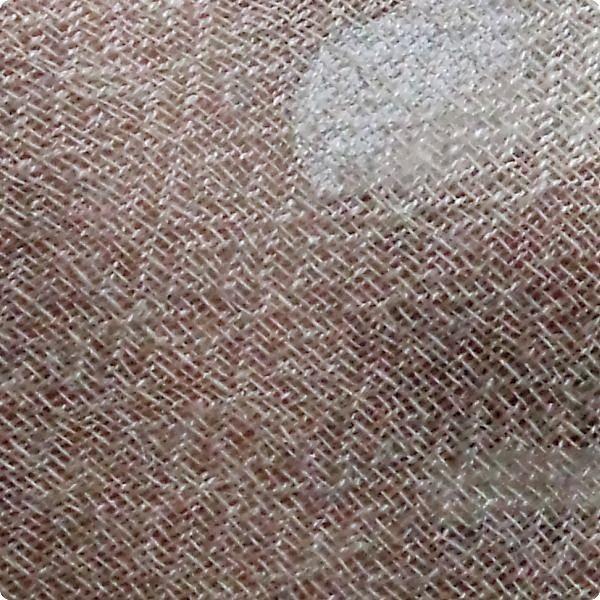
gets its unique traits of being soft and extremely light because it is made
from exceptionally fine fibers. The fibers are fragile and prone to
breaking, the artisans then repair these broken fibers which results in
irregular weaves and bumps. Turning these delicate threads into refined
garments require the utmost care and woven by hand. Weaving one pashmina
shawl might take months or even years depending on the size and handwork.
Pashmina
gets its unique traits of being soft and extremely light because it is made
from exceptionally fine fibers. The fibers are fragile and prone to
breaking, the artisans then repair these broken fibers which results in
irregular weaves and bumps. Turning these delicate threads into refined
garments require the utmost care and woven by hand. Weaving one pashmina
shawl might take months or even years depending on the size and handwork.
This tedious handwork also drives up their price and gives them character. Authentic pashmina is woven with precision, resulting in a tight pattern yet breathable. Hold the pashmina up to the light; if you can see clear, evenly spaced gaps between the threads, it's likely a fake. Real handwoven pashmina will have a fine, almost invisible weave.
Check out our array of Nepali handmade pashmina shawls at NDCASHMERE.COM
CHECK LABELS AND PRICING
If you
are a seasoned pashmina buyer, you must have noticed that the pashmina that are
priced around Rs. 500- 2500 do not contain any brand labels and just have a
sole label that claims that it is a 100% exclusive pashmina and vague washing
instructions.
Pashmina weaving is an art form passed down from generations of artisans. The resources,
time, and skill it takes to manufacture pashmina is a commendable job in
itself. Naturally, you want to get recognized and credited for your work. The
manufacturers and brands that take pride in the production of authentic
pashmina garments will have their branding tag stitched onto their
products.
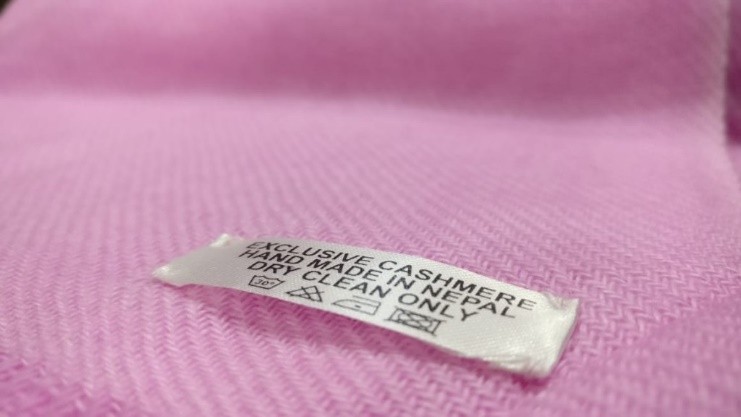
Examine any labels or packaging that comes with your pashmina. Authentic pieces often come with tags showcasing the brand, origin and content composition. Although not a guarantee of authenticity, it is a good sign that it contains a certain amount pure pashmina.
CHECK PILLING
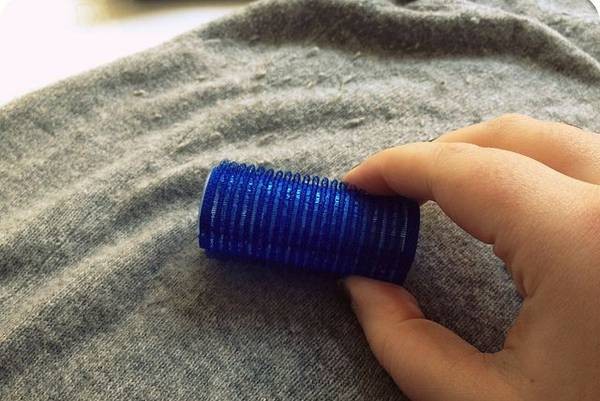
Pilling is not usual in animal fibers. It is a common misconception that a genuine pashmina will pill abit. Even the highest-quality pashmina are prone to small amounts of pilling whereas cheap pashmina will tend to have more.
Pilling occurs when two fibers break and
intertwine with each other. You should not remove this pilling by hand, it
will leave behind small strands of fibers which will cause more pilling in the
future.
You can use a special cashmere comb or a lint remover which will gently break
these pilling while also ensuring that no further pilling is formed.
Pilling
on pashmina depends on two major factors: the length of the fiber and the
weave.
1. Length
of fibers: High quality pashmina is made with longer fibers. The
longer fibers tend to stick out less which causes less pilling. Pashmina woven
with shorter fibers are prone to pilling.
2. Weave: A
tightly woven pashmina tends to pill less whereas a loosely woven one, tends to
pill more. It occurs in the areas which experience frequent friction like
armpits, sleeves and elbows.
So the next time you shop for pashmina remember that pilling is natural and not
at all uncommon in pashmina or any natural fabrics.
CHECK THE PRICING
Pashmina is the most delicate natural fabric that can be woven to make garments which is how it gets its name of 'soft gold' or the ‘diamond fabric’. The raw material is low in supply and difficult to refine.
The tedious process, skills developed through generations, meticulous care and the amount of time and experience it takes to make pashmina garments, make the price reasonably high. So if a vendor tries to sell you pashmina at a cheap rate, it is time to get skeptical.
RING TEST
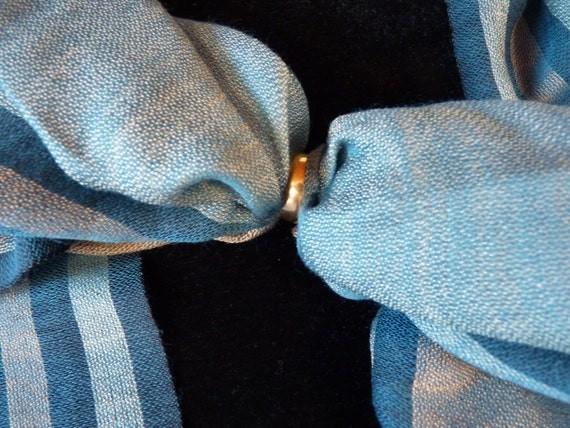
The ring test is the most popular test people use to test the authenticity of pashmina. Pashmina threads are made of very thin fibers of 14-19 microns in diameter. A human hair in contrast is about 75-100 microns. These ultra-thin fibers contribute to its fineness which allows it to easily pass through a ring.
But does this mean your thick pashmina
shawls are fake? No, quite the contrary. In fact, thicker shawls require more
fabric and handiwork which makes it more expensive.
The ring test is a reliable way to check the fineness but not the quality of
the shawl.
CONCLUSI
Investing in a true pashmina is not just about owning a piece of luxury, it's about preserving centuries of traditional craftsmanship and artistry. Armed with all these tests and knowledge, you can now confidently identify genuine pashmina from its fake counterparts. Remember, the beauty of authentic pashmina lies not just in its elegance, but in the story it carries.