What makes the Cashmere expensive?
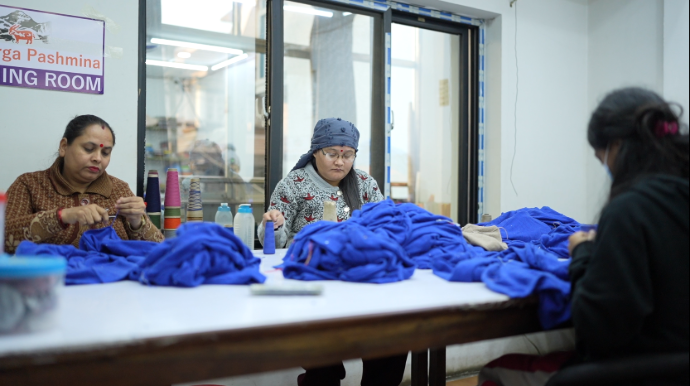
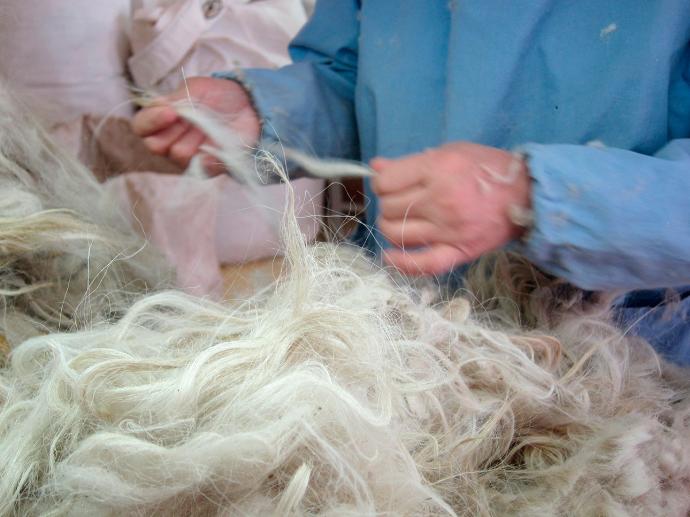
Nepali cashmere is the finest cashmere with diameters ranging from 10-15 microns. This is due to the traditional method of shearing cashmere wool by combing with a long metal comb which allows the herders to extract the finest fibers.
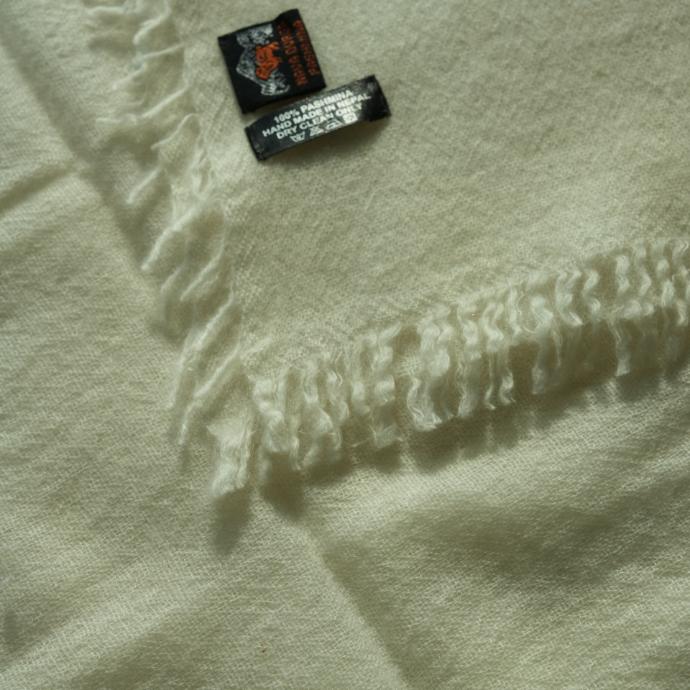
The cashmere fabric, throughout the centuries, has been cherished and loved by people all over the world. With its unique properties and charm, cashmere has managed to pave its way to the hearts of people and become more than just a piece of fabric - it has become an emotion. It’s softness, warmth and evergreen beauty has people spellbound all over the world.
However, why does cashmere cost so much and why should one consider getting this luxurious material? This article will look at what makes the cashmere so desirable, where it comes from, how it’s produced and why it costs a pretty penny.
What is Cashmere?
Cashmere is a wool which comes from the unique species of goat called
the Capra Hircus or locally called Chyangra in Nepal. These species of
goats are exclusive to the Himalayan regions of Mongolia, Tibet, Nepal, China
and India.
The cashmere wool has an average diameter of 10-16 microns. In contrast, a
human hair on average is 75-100 microns. This exquisite fiber is particularly fine
and weaving it requires patience and dedication as it is extremely delicate.
History and cultural significance
Although the exact history of cashmere is quite blurry, it is believed that cashmere weaving was discovered by Mughal Emperor Akbar in the 15th century when he was travelling through Kashmir with a band of skilled weavers and artisans.
Cashmere has a heritage and tradition of its own. Wearing it, and using it as an ornamental piece was the prerogative of kings and their queens long ago. The high cost of Cashmere today can be associated with its history with the wealthy and the famous in the past.
Cashmere wool stands out from other types of wool due to its exceptional qualities, which include:
- Softness: Cashmere wool is renowned for its incredible softness. The fibers are extremely fine, with a diameter of less than 20 microns, making it one of the softest types of wool available.
- Warmth: Cashmere wool is highly insulating and provides excellent warmth. Its fine fibers and high-density trap heat effectively, making it ideal for cold weather conditions. Compared to other types of wool, Pashmina is considered one of the warmest and most insulating options.
- Lightweight: Despite its warmth, Cashmere wool is remarkably lightweight. This makes it comfortable to wear and allows for easy layering without feeling bulky
- Durability: Cashmere wool is known for its durability. The tightly woven fibers prevent easy breakage and ensure that the material remains smooth and free from pilling. This durability contributes to the longevity of Pashmina products
- Breathability: Cashmere wool has excellent breathability, allowing air to circulate and regulate body temperature. This makes it suitable for various climates, as it keeps the body warm in cold weather and prevents overheating in milder temperatures
- Luxurious Feel: Cashmere wool is often referred to as "soft gold" due to its luxurious feel. It has a pleasant touch and a sumptuous texture that adds to its appeal
Overall, Cashmere wool offers a combination of softness, warmth, lightweight feel, durability, breathability, and luxuriousness that sets it apart from other types of wool. Its exceptional qualities make it highly sought after for a range of clothing and accessory items, such as shawls, scarves, blankets, and more