How ND Cashmere Turns Fine Fibre into Lasting Luxury
Kathmandu, Nepal — Cashmere is known for softness, warmth and refined appearance, but not every product offers the same quality. Two scarves may both be labelled “100% cashmere” while differing in strength, durability and resistance to pilling. The difference often comes from fibre fineness, fibre length, yarn construction, ply and finishing. At Navadurga Cashmere (ND Cashmere), these factors are carefully considered to create products that reflect Nepal’s textile heritage while meeting international expectations.
What Grade A Cashmere Really Means
Usually Grade A is considered the best cashmere. It is commonly made of the hair of the cashmere goats below the hair that is of a fine undercoat, when the coarser outer hair is stripped away. The resultant fibre is soft, warm and lightweight thus suitable to fine shawls, scarves, sweaters and knitwear. But the softness does not dictate quality. Good cashmere must have a delicate, though not weak, feel and be able to retain its shape over time.
In ND Cashmere, this is the balance of being soft and strong in terms of products such as pashminas and cashmere lines of its collections. The company uses a blend of meticulously chosen fibre and Nepal craftsmanship skills to make shawls, scarves, wraps and are tailor made. Instead of pulling out a grade label ND Cashmere concentrates on the overall quality of each item such as consistency of the yarn, structure and structure of the fabric and finish.
Why Micron Count and Fibre Length Matter
The count of microns is the measure of the diameter of the separate cashmere. Finner fibres tend to be more skin-friendly, and the thicker fibres might be coarser. But micron count is not a measure of quality. The length of fibre is also desirable in that the longer the fibre the more firmly these fibres will be during spinning and they will not so easily unravel off the yarn.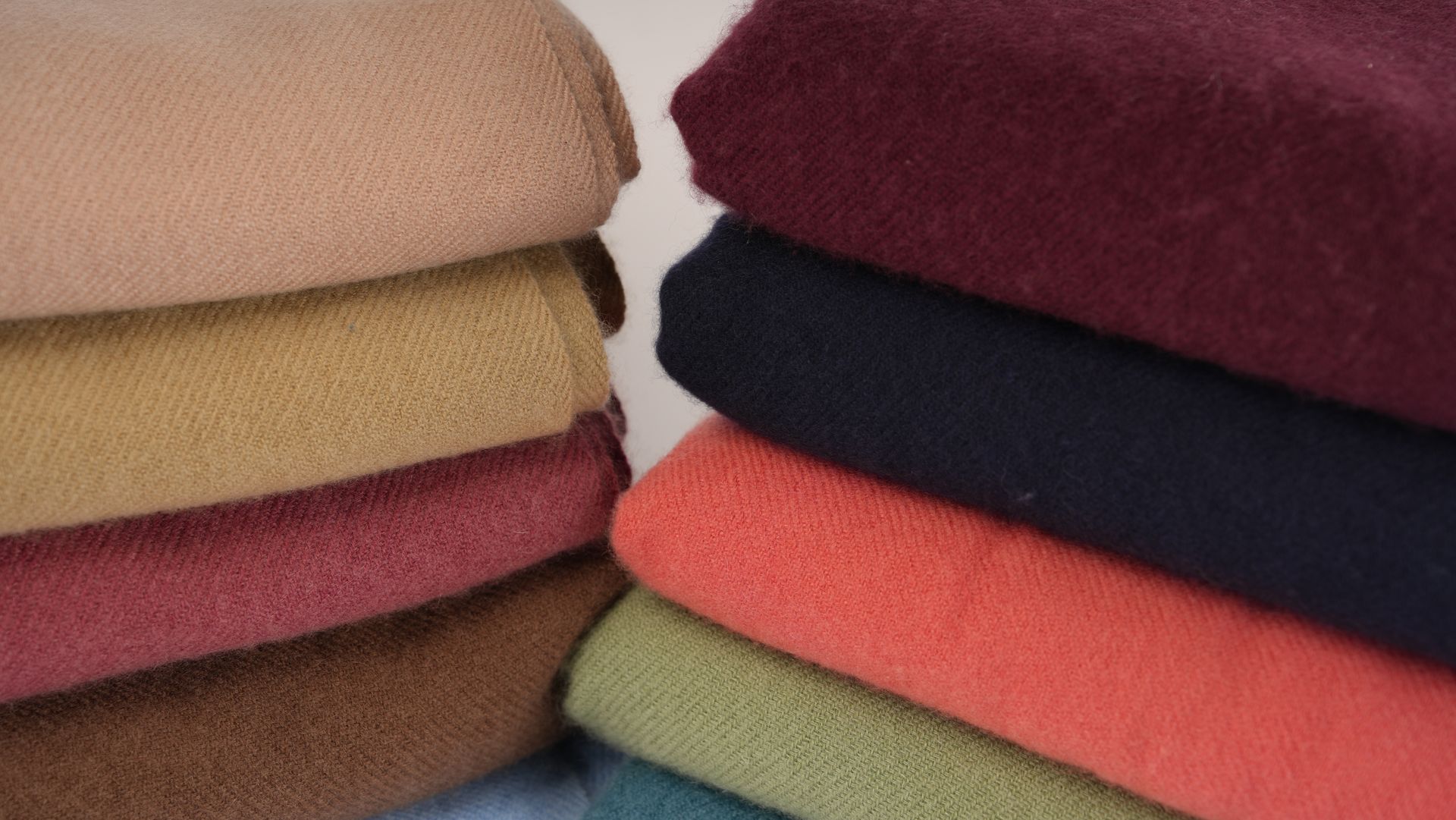
That is why even though two products can be equal in softness, they might not act the same after being used several times. Short-fibre cashmere can be overly fuzzy or pilled with longer, well-spun fibres being less prone to overfuzzing. These features are taken into account by ND Cashmere when developing the products that can be used in various ways, starting with lightweight scarves that have beautiful drape to cozying shawls and wraps used in winter.
Understanding 2-Ply and 4-Ply Cashmere
Cashmere ply refers to the number of yarn strands twisted together to create the fabric. A 2-ply cashmere garment uses two strands, resulting in a lightweight, soft, and breathable fabric that is ideal for layering and year-round wear. In contrast, 4-ply cashmere uses four strands, creating a thicker, warmer, and more durable fabric with a richer, more luxurious feel.
While 4-ply cashmere provides greater insulation and longevity, a higher ply count does not necessarily indicate better quality, as fibre length and fineness remain the most important quality factors.
Pilling, Finishing and Long-Term Quality
Pilling happens when the loose fibres ascend to the surface, and form small balls. Even in real cashmere, light pilling may take place, particularly where there is friction. However, heavy pilling occurring after a small amount of use, can indicate short fibres, loose spinning or poor finishing. With proper preparation and finishing of yarns, this can be minimized and can enable a piece of clothes to maintain a clean look.
In ND Cashmere, spinning, weaving, knitting and finishing are applied in order to enhance the durability of all the products. The customers are advised to adhere to the recommended guidelines of good care, to prevent unnecessary frictions and use a cashmere comb only when necessary. When correctly made and used, good cashmere can be soft, warm and stylish years.
A Nepalese Tradition Made for the World
In Nepal cashmere is more than a luxury fabric. It embodies Himalayan raw material, art craft, generations of weaving experience and attention to detail. Combining these factors, ND Cashmere is going to uphold the traditions of craftsmanship, employ contemporary design and close-attention production. Its shawls, scarves, wraps, sweaters and customised collections encapsulate the attributes that characterize the high-quality cashmere: fine fibre, strong yarn, appropriate ply, a well-considered finish and continued comfort.
To the customers, the optimal method of judging cashmere is by seeing beyond the label. The softness, fibre quality, structure, finishing, durability and fame of the producer are all important. Nepali’s craftsmanship and global quality Nava supports Nepal craftsmanship and global quality as a way of ensuring that it is taking fine fibre to the world, making it a point to warm, preserve and render the world a part of its heritage and quality of the world.