Five Practical Tests ND Cashmere Recommends Before You Buy
Kathmandu, Nepal — Cashmere is highly treasured since it is soft, provides warm and luxurious feel but at the same time when it comes to low quality blends and misleading labels it is hard to tell what one is actually buying. Products being sold as high-priced cashmere can have a mixture of sheep wool, synthetic fibres or even a little bit of real cashmere. It is then noteworthy that we learn how to tell the difference between genuine cashmere when we are selling a scarf, shawl, sweater, wrap or blanket.
In the case of Navadurga Cashmere (ND Cashmere), its authenticity starts with the fibre. The real cashmere is produced on the undercoat of cashmere-giving goats and must be tolerably soft, warm and light instead of greasy or falsely silky. Incorporating the old traditions of Nepalese handicraft with a contemporary production approach, ND Cashmere tries to produce the goods representing the pashmina tradition of the country. It is also engaged in exporting tailor-made collections of expertly made products to its customers in over 70 countries.
Test 1: Check the Natural Softness and Warmth
The initial one is the touch. True cashmere must be smooth and soft to the touch, and have a slight warmness within a few minutes. It is not to be unpleasant hard, heavy or itchy. Nonetheless, softness does not suffice since some synthetic blends have been subjected to chemical processes so as to produce a smooth initial impression.
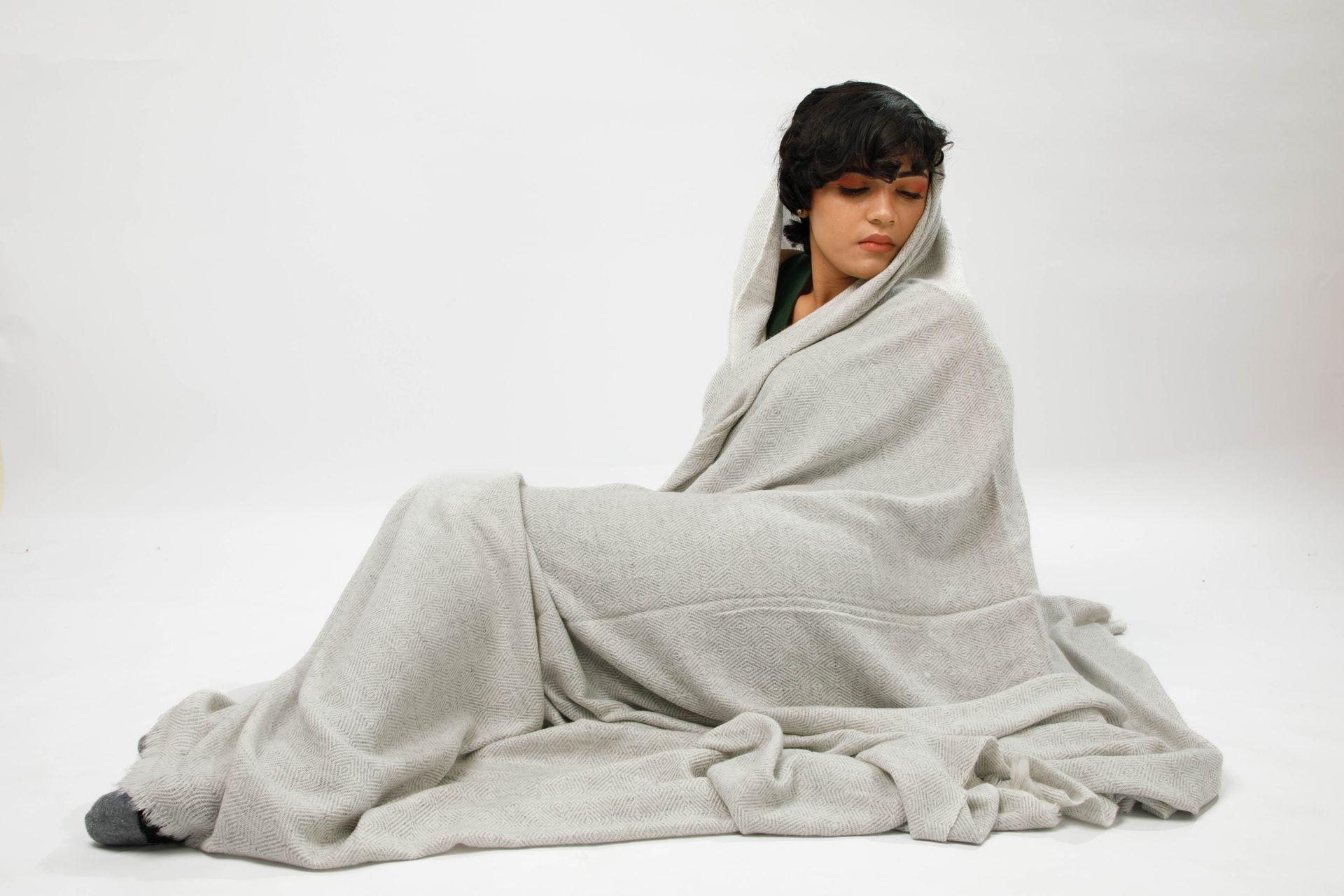
This is one of the reasons why ND Cashmere pays more attention to more than just surface softness. Its pashminas shawls, scarves, stoles, sweaters and wraps are woven in regard of fibre choice, fineness and finishing of yarns. The objective is to manufacture products that are inherently comfortable and still work well with proper maintenance.
Test 2: Read the Label Carefully
The fibre content should be clearly indicated on a reliable label. Usages like 100 percent cashmere, pure cashmere are better than ambiguous words like feel, like cashmere. Care instructions, brand information and country of origin should also be provided on a credible product. In the case of Nepalese pashmina, recognised origin marks or certified usher additional assurance.
ND Cashmere advocates effective product details in order to explain to the customers what they are purchasing. Both choosing a standard shawl, lightweight scarf or tailor-made line, buyers must have the option to relate the quality promise and the material, craftsmanship, and a purpose of the product.
Test 3: Try a Gentle Stretch and Recovery Check
Cashmere of good quality must be of soft elasticity. Gently stretch a piece of the cloth and see whether it rests to its original shape or not. When loose and distorted or not even, the knit structure or yarn might be weak. The test must also be soft so that it does not destroy the product.
At ND Cashmere, construction has a balance between softness and maintenance of shape. It is particularly true when talking about sweaters, cardigans, knitted accessories and part wraps. Tape spinning, weaving, knitting and finishing is done carefully so that every product is able to retain shape without losing the lightness that high-quality cashmere is supposed to possess.
Test 4: Understand What Pilling Means
The fact that pilling does not necessarily indicate that cashmere is a fake good. Even real cashmere can get little pills in parts that come into contact with friction such as sleeves, underarms and where the bag has to come in contact with. Pitting of light may be normal and may be swept away with a cashmere comb.
The success and rate of pilling are more important. Over pilled after use requires limited usage and could be a sign of short fibres, loose spinning, poor finishing or low-quality blend. ND Cashmere pays special attention to the preparation of the yarns and finishes to contribute to it being durable and having very few superfluous surface fuzzes. Proper storage and handling also aid in protecting the product and keeping it in shape.
Test 5: Use the Burn Test Only as Supporting Evidence
Burn test can be used to differentiate between natural and synthetic fibre of animals but only taken with care and never on a complete piece of garment. The testing of only a small loose thread or a separate sample should be cautious. The natural animal fibres wool and cashmere all tend to smell like burned hair, and leave soft ash, and synthetic fibres tend to melt causing hard beads.
But this test cannot indicate that a fibre is grade cashmere since sheep’s wool and cashmere can respond in a similar manner. ND Cashmere thus suggests incorporating multiple checks. The combination of touch, labelling, stretch recovery, pilling behaviour, realistic pricing and seller credibility give a more accurate picture of authenticity.
Pure Cashmere, Blends and the Importance of Trust
Cashmere blends are not necessarily poor products when labelled honestly. Cashmere can be mixed with wool, silk, viscose or other fibres to attain a certain price, strength, performance. The issue is when a low percentage of a mixture is sold as pure cashmere. Customers must never neglect to look at the exact fibre percentage and compare it to the description of the product.
In the case of ND Cashmere, a trust develops through linking Nepalese textile legacy and reliability. Its products are inspired by Himalayan raw materials, skilled work, and authentic weaving skills and knowledge with modern technology that is carefully incorporated in a variety of fine pashmina shawls and elegant scarfs, warm knits, custom collections. Every work is created not only to look fancy, but as a symbol of true craftsmanship and permanence.
Final Thoughts
There is no home test, that can verify the authenticity of cashmere. A combination of touch, label information, stretch recovery, pilling observation, realistic pricing and the reputation of the seller are all the best methods.
Navadurga Cashmere makes customers make confident choice depending on its devotion to quality, openness and Nepalese artisanship. Each ND Cashmere shawl, scarf, wrap, sweater and makes-to-order collection brings the pashmina tradition of Nepal to the modern world thrilling with comfort.